Introduction
In the realm of mechanical engineering, precision is paramount. To achieve this, various standards have been developed to guide manufacturers and engineers in creating products that meet specific requirements. One such standard is DIN 2768, which plays a crucial role in the mechanical industry, especially in the field of precision mechanics. This article explores the DIN 2768 standard, its applications, and its significance in ensuring uniformity and quality in manufacturing processes.
What is DIN 2768?
DIN 2768 is a German standard that specifies the general tolerances for linear dimensions and geometrical tolerances for machined metal parts. It is part of a broader set of standards under the Deutsches Institut für Normung (DIN), which is the German national organization for standardization. DIN 2768 is particularly important in precision mechanics, where even minute deviations can significantly affect the functionality and integration of components.
Categories of DIN 2768
DIN 2768 is divided into two classes:
- DIN 2768-m: This class specifies medium tolerances and is typically used for general applications in mechanical engineering where high precision is not critical but where good quality is still required.
- DIN 2768-f: This class specifies fine tolerances and is used for high-precision applications. It is particularly relevant in precision mechanics, where the accuracy of component dimensions is crucial.
Applications in Precision Mechanics
In precision mechanics, components often require exact fits and consistent performance under various conditions. DIN 2768 helps achieve these objectives by defining the acceptable limits of variation for dimensions without specific individual tolerance indications. This standardization ensures that parts fit together correctly in assemblies and perform as intended in their operational environments. Common applications include:
- Aerospace components where precise dimensions are critical for safety and functionality.
- Medical devices that require high reliability and exact dimensions to function correctly.
- Automotive parts where consistent performance and interchangeability are necessary.
Benefits of Implementing DIN 2768
- Uniformity in Production: DIN 2768 provides a standardized approach to tolerances, which simplifies the design and manufacturing processes. It ensures that all parts are produced to the same quality standards, regardless of where or by whom they are manufactured.
- Reduced Manufacturing Costs: With clear tolerance guidelines, manufacturers can reduce the amount of time spent on adjusting machines and tools during production runs. This efficiency can lead to significant cost savings.
- Improved Interchangeability: By standardizing the tolerances of parts, DIN 2768 enhances the interchangeability of components. This is particularly advantageous in industries like automotive and aerospace, where parts need to be replaced and fit precisely.
- Enhanced Product Quality and Reliability: Adherence to DIN 2768 standards helps ensure that products are reliable and perform as expected, which is crucial for maintaining consumer trust and satisfaction.
Challenges and Considerations
While the benefits of DIN 2768 are clear, implementing these standards can pose challenges, especially for industries transitioning from less rigorous specifications. The precision required by DIN 2768-f, for example, may require upgrading equipment or retraining personnel to meet finer tolerances. Companies must evaluate the cost-effectiveness of such investments against the potential gains in product quality and market competitiveness.
Conclusion
The DIN 2768 standard is a cornerstone in the mechanical industry, especially in fields requiring precision mechanics. It provides essential guidelines for tolerances that ensure high quality, consistency, and reliability of mechanical components. As industries continue to evolve towards more complex and precise mechanical systems, the relevance of DIN 2768 in supporting these advancements remains significant. By adhering to such standards, manufacturers can ensure that their products meet rigorous requirements and maintain a competitive edge in the global market.
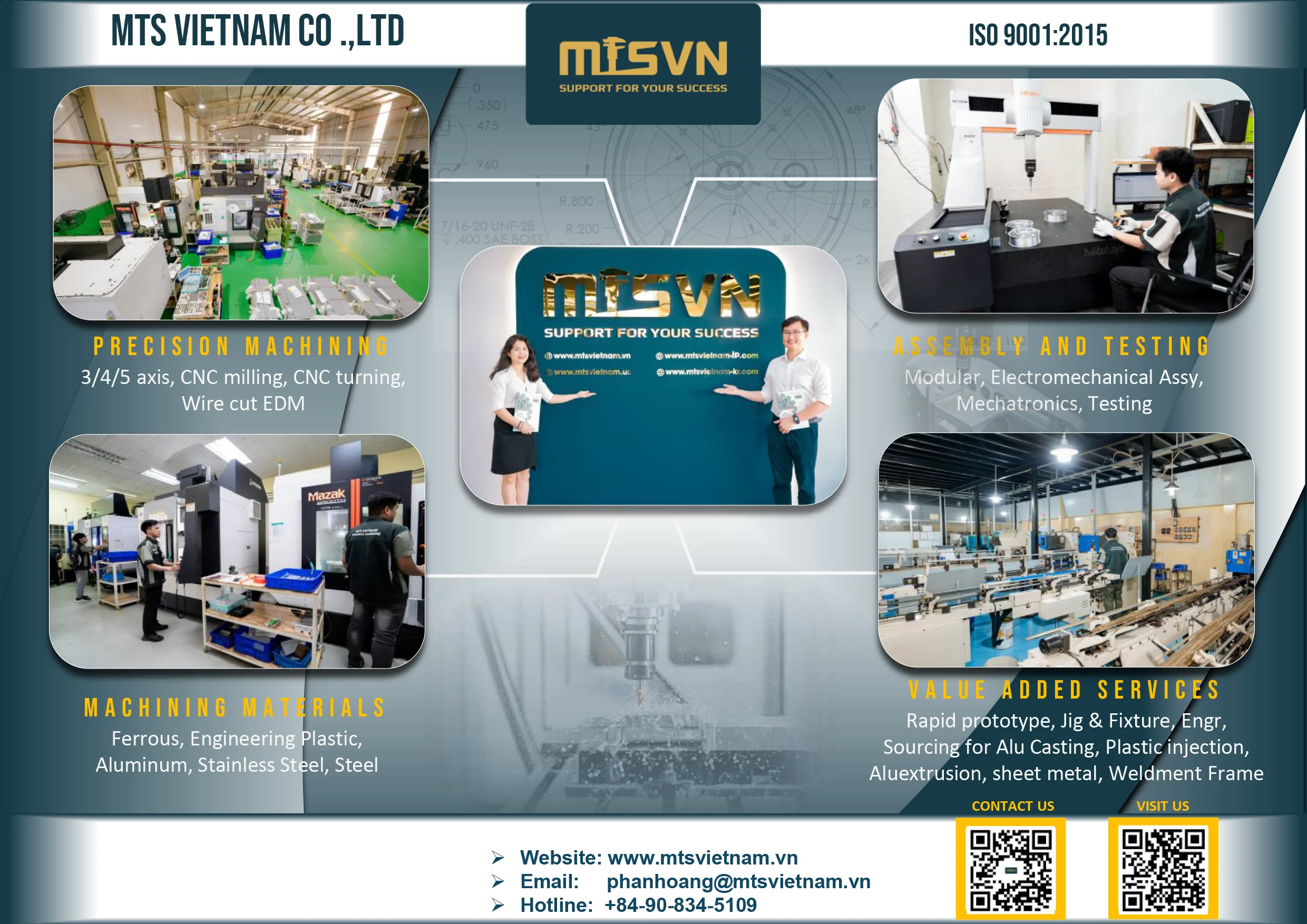
MTS Vietnam is a prominent company specializing in precision mechanical components fabrication. Established in 2017, it has quickly become a reputable name in the Vietnamese and Southeast Asian markets. The company's expertise lies in CNC milling and turning parts made from a variety of materials, including Aluminum, Steel, Stainless, POM, and other engineering plastics. MTS Vietnam is dedicated to supporting the success of its customers and strives to be a leading company in the field of precision mechanical processing both in Vietnam and internationally.
In addition to its fabrication services, MTS Vietnam offers assembly services for components and machines, as well as CNC program services. This comprehensive range of services is aimed at providing optimal solutions and benefits to its customers through the company's ecosystem and strengths. MTS Vietnam emphasizes the importance of investing in new technology and quality control equipment to ensure that it can deliver merchandise at competitive prices and within the required deadlines.
WORKSHOP: 248/10 ĐT743A Street, Binh Thung 1 Quarter, Dong Hoa Ward, Ho Chi Minh City, Vietnam
Tel/zalo/viber: 0908.345.109
Email: phanhoang@mtsvietnam.vn | info@mtsvietnam.vn
Website: www.mtsvietnam.vn (Global Market) | www.mtsvietnam-jp.com (日本)
For USA Sales, please contact MTS USA at:
Tel/zalo/viber: 978-777-1716
Email: sales@mts-usasales.com
Website: www.mtsvietnam.us (US Market)