Introduction
In the field of precision mechanics, where components are often critical to the safety and functionality of complex systems, adhering to rigorous safety standards is paramount. The Japanese Industrial Standards (JIS) play a crucial role in defining these safety benchmarks. This article delves into how safety standards are integrated within JIS and their significance in precision mechanics, ensuring that every component not only meets technical specifications but also contributes to the overall safety of the end product.
The Role of JIS in Precision Mechanics
Precision mechanics involves the production and assembly of mechanical parts with extremely tight tolerances that are often integral to the operational integrity of devices across various industries such as automotive, aerospace, and electronics. Here, the JIS provides a comprehensive set of guidelines that dictate the safety, quality, and performance standards for mechanical components.
Significance of Safety Standards
- Risk Mitigation: Safety standards minimize the risk of mechanical failure that could lead to operational disruptions or accidents, ensuring that components perform reliably under expected and extreme conditions.
- Regulatory Compliance: Adherence to JIS safety standards ensures compliance with national and international safety regulations, which is crucial for manufacturers to market their products globally.
- Consumer Confidence: By meeting established safety standards, manufacturers can enhance consumer confidence in their products, which is critical for maintaining brand reputation and market competitiveness.
Key Components of JIS Safety Standards
Safety standards within JIS cover a broad range of factors:
- Material Selection: Guidelines on selecting materials that are robust and suitable for specific applications, considering factors like environmental resistance, durability, and failure modes.
- Design Specifications: Protocols for designing components that maximize safety, including considerations for fail-safe mechanisms and redundancy.
- Testing Protocols: Detailed testing requirements to simulate both normal and extreme operating conditions to ensure components can withstand use without failure.
- Certification Processes: Rigorous certification procedures that components must pass before being deemed safe for use, which often involves third-party verifications.
Implementing JIS Safety Standards
Implementation of these standards involves several key steps:
- Engineering Review: Engineers design components with JIS safety standards as a central criterion, integrating safety into the product from the earliest stages of development.
- Quality Assurance: Throughout manufacturing, quality assurance teams perform ongoing tests and inspections to ensure continuous adherence to safety standards.
- Final Testing and Certification: Before products are marketed, they undergo stringent testing to confirm they meet all JIS safety standards. Successful certification marks them as compliant and safe for use.
Challenges and Solutions
While implementing JIS safety standards significantly enhances product safety and reliability, it can also increase production costs and time to market. Manufacturers often address these challenges by employing advanced manufacturing technologies and automation, which improve precision and reduce errors in production.
Conclusion
Safety standards are a foundational aspect of the Japanese Industrial Standards in precision mechanics. They ensure that components and systems are not only effective but also safe for both end-users and the environment. As technological advancements continue to evolve, these safety standards will need to be continually revised and updated to accommodate new materials, processes, and design methodologies, thus maintaining the highest levels of safety and performance in precision mechanics.
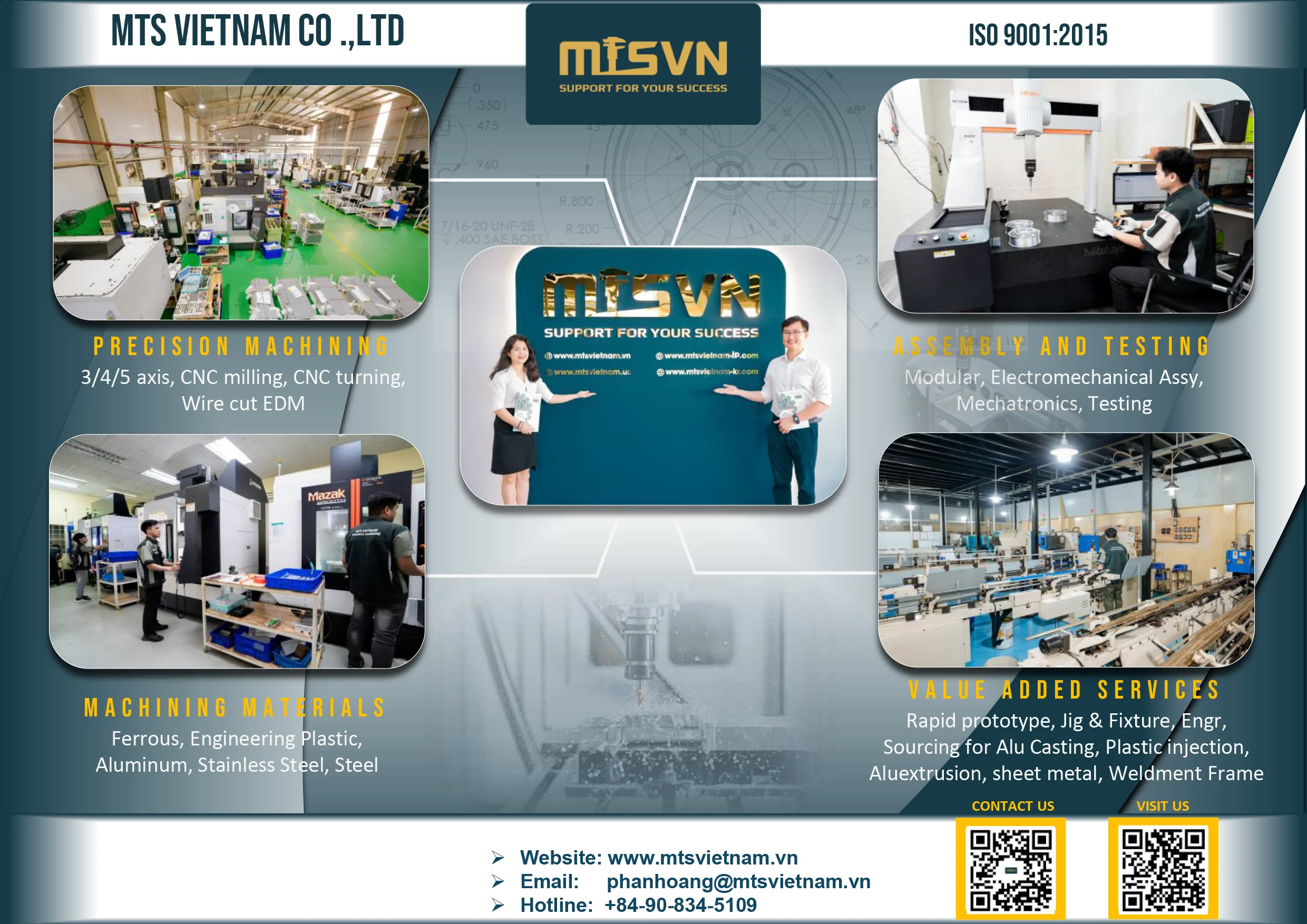
MTS Vietnam is a prominent company specializing in precision mechanical components fabrication. Established in 2017, it has quickly become a reputable name in the Vietnamese and Southeast Asian markets. The company's expertise lies in CNC milling and turning parts made from a variety of materials, including Aluminum, Steel, Stainless, POM, and other engineering plastics. MTS Vietnam is dedicated to supporting the success of its customers and strives to be a leading company in the field of precision mechanical processing both in Vietnam and internationally.
In addition to its fabrication services, MTS Vietnam offers assembly services for components and machines, as well as CNC program services. This comprehensive range of services is aimed at providing optimal solutions and benefits to its customers through the company's ecosystem and strengths. MTS Vietnam emphasizes the importance of investing in new technology and quality control equipment to ensure that it can deliver merchandise at competitive prices and within the required deadlines.
WORKSHOP: 248/10 ĐT743A Street, Binh Thung 1 Quarter, Dong Hoa Ward, Ho Chi Minh City, Vietnam
Tel/zalo/viber: 0908.345.109
Email: phanhoang@mtsvietnam.vn | info@mtsvietnam.vn
Website: www.mtsvietnam.vn (Global Market) | www.mtsvietnam-jp.com (日本)
For USA Sales, please contact MTS USA at:
Tel/zalo/viber: 978-777-1716
Email: sales@mts-usasales.com
Website: www.mtsvietnam.us (US Market)