Introduction
Risk-based thinking is a fundamental aspect of ISO 9001:2015, emphasizing the importance of identifying, assessing, and addressing risks throughout the quality management process. In precision mechanics, where the accuracy and reliability of components are critical for safety and functionality, implementing risk-based thinking is essential. This article explores how risk-based thinking under ISO 9001:2015 enhances operations and ensures consistent quality in the field of precision mechanics.
Understanding Risk-based Thinking
Risk-based thinking involves a proactive approach to identifying and managing potential risks that could affect the quality and performance of products and services. ISO 9001:2015 integrates this thinking into all processes of the quality management system (QMS), requiring organizations to assess risks systematically and implement effective risk management strategies.
Key Aspects of Risk-based Thinking in Precision Mechanics
- Risk Identification: The first step in risk-based thinking involves identifying potential risks that could impact product quality or process efficiency. In precision mechanics, this could include risks related to material flaws, equipment malfunction, or human error.
- Risk Assessment: Once risks are identified, they must be assessed in terms of their potential impact and the likelihood of their occurrence. This assessment helps prioritize risks based on their severity, guiding the allocation of resources to mitigate them effectively.
- Risk Control and Mitigation: Implementing control measures to mitigate identified risks is crucial. In precision mechanics, this might involve adjusting process parameters, enhancing training protocols, or upgrading equipment. Preventative maintenance and regular equipment checks are common strategies to prevent downtime and ensure consistent product quality.
- Monitoring and Review: Ongoing monitoring of risk control measures is essential to ensure their effectiveness. This process also includes reviewing the risk management process itself and making adjustments based on new information or outcomes.
- Documentation: ISO 9001:2015 requires thorough documentation of all risk management activities. This documentation provides a traceable record of decisions and actions taken, which is crucial for audits and continual improvement processes.
Benefits of Risk-based Thinking in Precision Mechanics
- Enhanced Product Reliability: By proactively addressing potential risks, companies can prevent defects and ensure that their products consistently meet high-quality standards, which is crucial in industries reliant on precision mechanics.
- Reduced Costs: Identifying and mitigating risks early in the process helps avoid costly disruptions and failures, leading to more efficient operations and reduced waste.
- Improved Customer Satisfaction: Delivering reliable and defect-free products enhances customer trust and satisfaction, which are critical for maintaining competitive advantage.
- Compliance and Safety: Risk-based thinking helps ensure compliance with industry regulations and standards, particularly in sectors where safety is paramount.
- Agility and Resilience: Organizations that effectively manage risks are better equipped to adapt to changes and face unexpected challenges, making them more resilient and agile in dynamic market conditions.
Challenges and Implementation Strategies
Implementing risk-based thinking in precision mechanics requires a cultural shift towards proactive risk management and may involve initial resistance. Strategies to overcome these challenges include:
- Training and Awareness: Educating employees about the benefits and methods of risk-based thinking is essential for its successful implementation.
- Leadership Commitment: Strong leadership is crucial in fostering a risk-aware culture. Leaders should actively participate in risk management activities and support their teams.
- Integrating Risk Management into All Processes: Risk management should be a part of daily operations rather than a standalone activity.
- Utilizing Technology: Advanced analytical tools and software can aid in risk identification and assessment, making the process more efficient and effective.
Conclusion
Risk-based thinking is a key feature of ISO 9001:2015 that plays a critical role in enhancing the quality and reliability of products in precision mechanics. By systematically identifying, assessing, and mitigating risks, organizations can not only ensure compliance and improve operational efficiency but also build a foundation for long-term success and sustainability in the competitive landscape of precision mechanics.
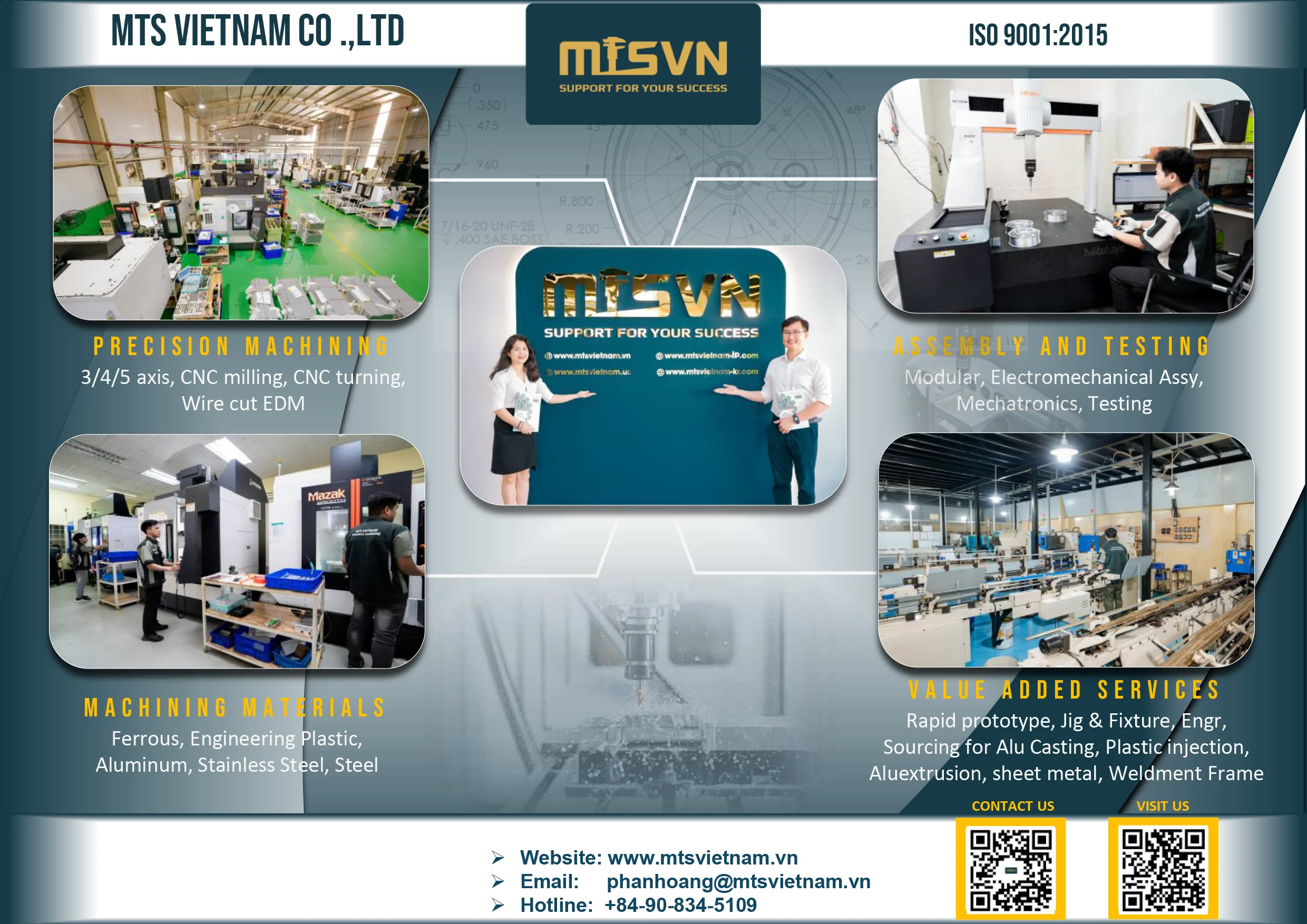
MTS Vietnam is a prominent company specializing in precision mechanical components fabrication. Established in 2017, it has quickly become a reputable name in the Vietnamese and Southeast Asian markets. The company's expertise lies in CNC milling and turning parts made from a variety of materials, including Aluminum, Steel, Stainless, POM, and other engineering plastics. MTS Vietnam is dedicated to supporting the success of its customers and strives to be a leading company in the field of precision mechanical processing both in Vietnam and internationally.
In addition to its fabrication services, MTS Vietnam offers assembly services for components and machines, as well as CNC program services. This comprehensive range of services is aimed at providing optimal solutions and benefits to its customers through the company's ecosystem and strengths. MTS Vietnam emphasizes the importance of investing in new technology and quality control equipment to ensure that it can deliver merchandise at competitive prices and within the required deadlines.
WORKSHOP: 248/10 ĐT743A Street, Binh Thung 1 Quarter, Dong Hoa Ward, Ho Chi Minh City, Vietnam
Tel/zalo/viber: 0908.345.109
Email: phanhoang@mtsvietnam.vn | info@mtsvietnam.vn
Website: www.mtsvietnam.vn (Global Market) | www.mtsvietnam-jp.com (日本)
For USA Sales, please contact MTS USA at:
Tel/zalo/viber: 978-777-1716
Email: sales@mts-usasales.com
Website: www.mtsvietnam.us (US Market)