Introduction
In the complex and highly regulated mechanical industry, maintaining compliance with local and international regulations is paramount. The Japanese Industrial Standards (JIS) play a crucial role in ensuring that manufacturers adhere to these regulatory frameworks, thereby simplifying compliance and reducing the risks associated with non-conformity. This article explores how JIS facilitates regulatory compliance and the associated benefits for the mechanical industry.
Understanding JIS
The Japanese Industrial Standards (JIS) are a set of guidelines that establish the criteria for products and services within various sectors, including the mechanical industry. These standards are designed to ensure quality, safety, and efficiency, and often align closely with international standards, making them an integral part of regulatory compliance.
JIS and Regulatory Compliance
- Harmonization with International Standards: Many JIS standards are harmonized with international standards, such as those from the International Organization for Standardization (ISO) and the International Electrotechnical Commission (IEC). This alignment helps manufacturers meet not just national requirements but also international regulatory demands, facilitating global trade and market expansion.
- Enhanced Product Safety: JIS standards require rigorous safety testing and quality assurance procedures. Compliance with these standards ensures that products meet stringent safety criteria, which is a significant aspect of regulatory compliance, especially in industries where safety is paramount.
- Quality Assurance: By adhering to JIS standards, manufacturers can ensure their products consistently meet high-quality benchmarks. This consistent quality is crucial for passing inspections and audits by regulatory bodies, which monitor compliance with both national and international regulations.
- Environmental Compliance: JIS also includes standards related to environmental protection, such as emissions limits and the use of hazardous materials. Compliance with these standards ensures that products are not only safe and efficient but also environmentally friendly, meeting the increasing regulatory focus on sustainability.
Benefits of Regulatory Compliance via JIS
- Market Access: Complying with JIS facilitates easier access to both domestic and international markets. Products that meet recognized standards are less likely to face barriers to entry and can be marketed more broadly.
- Reduced Legal Risks: Compliance with established standards significantly reduces the risk of legal issues related to non-compliance, such as fines, sanctions, and lawsuits.
- Customer Trust: Products certified to meet JIS standards are often trusted more by customers, as they are assured of the product’s safety, quality, and compliance with environmental regulations.
- Competitive Advantage: Companies that maintain compliance can leverage this as a competitive advantage, showcasing their commitment to quality and safety to distinguish themselves from competitors.
Challenges and Implementation Strategies
Implementing JIS standards to achieve regulatory compliance is not without its challenges. It requires ongoing investment in technology, training, and process improvements. Strategies for successful implementation include:
- Continuous Training: Ensuring that staff are well-trained on the latest standards and compliance requirements.
- Investment in Technology: Adopting new technologies that help meet stringent compliance requirements more efficiently.
- Regular Audits: Conducting regular internal and external audits to ensure ongoing compliance and address any gaps in a timely manner.
Conclusion
Regulatory compliance is a significant benefit of adhering to Japanese Industrial Standards in the mechanical industry. By aligning with JIS, manufacturers can ensure their products meet both national and international regulatory standards, reducing risk and enhancing marketability. As regulations continue to evolve, particularly with increased focus on sustainability and safety, the role of JIS in ensuring compliance will remain vital for industry success.
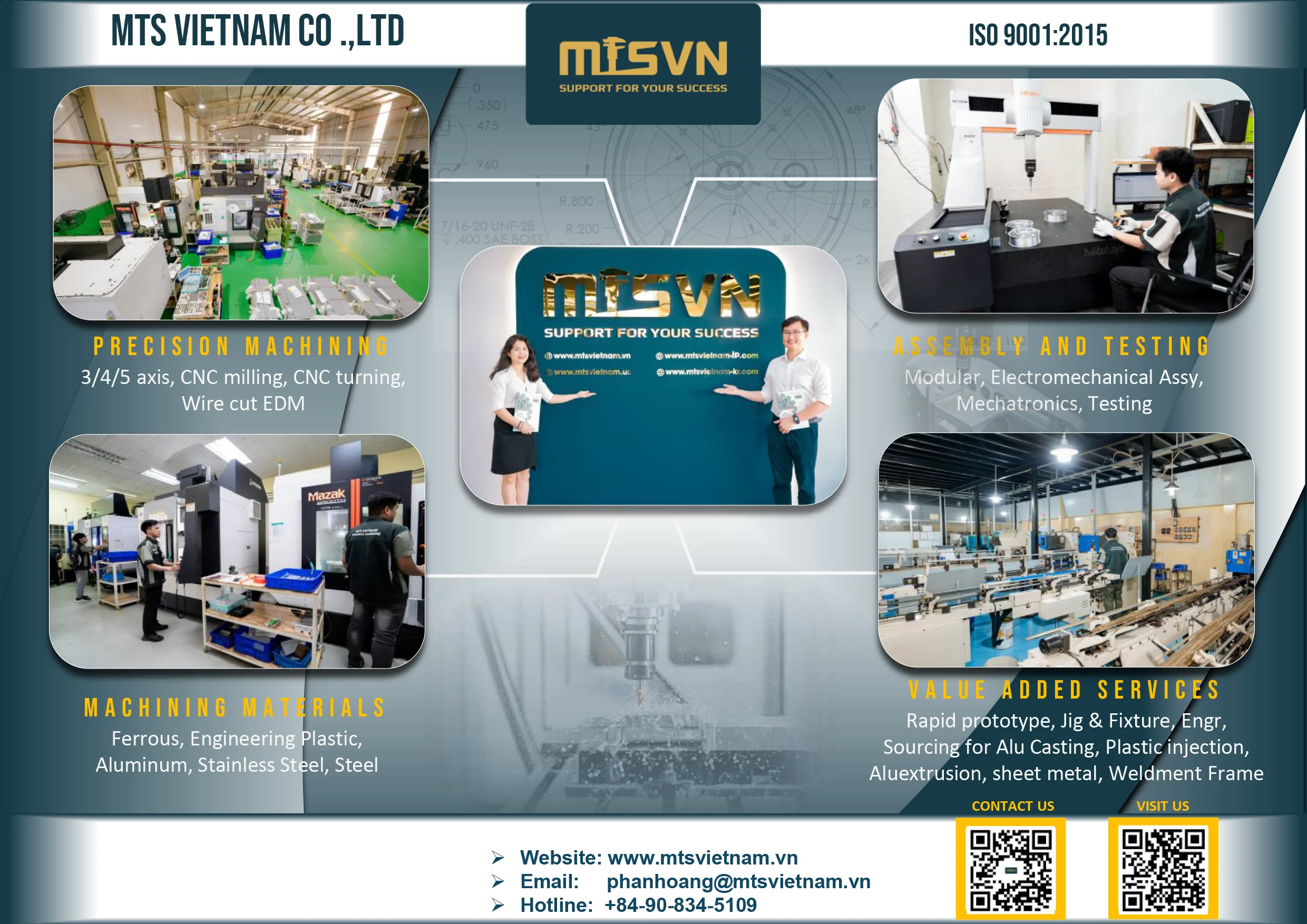
MTS Vietnam is a prominent company specializing in precision mechanical components fabrication. Established in 2017, it has quickly become a reputable name in the Vietnamese and Southeast Asian markets. The company's expertise lies in CNC milling and turning parts made from a variety of materials, including Aluminum, Steel, Stainless, POM, and other engineering plastics. MTS Vietnam is dedicated to supporting the success of its customers and strives to be a leading company in the field of precision mechanical processing both in Vietnam and internationally.
In addition to its fabrication services, MTS Vietnam offers assembly services for components and machines, as well as CNC program services. This comprehensive range of services is aimed at providing optimal solutions and benefits to its customers through the company's ecosystem and strengths. MTS Vietnam emphasizes the importance of investing in new technology and quality control equipment to ensure that it can deliver merchandise at competitive prices and within the required deadlines.
WORKSHOP: 248/10 ĐT743A Street, Binh Thung 1 Quarter, Dong Hoa Ward, Ho Chi Minh City, Vietnam
Tel/zalo/viber: 0908.345.109
Email: phanhoang@mtsvietnam.vn | info@mtsvietnam.vn
Website: www.mtsvietnam.vn (Global Market) | www.mtsvietnam-jp.com (日本)
For USA Sales, please contact MTS USA at:
Tel/zalo/viber: 978-777-1716
Email: sales@mts-usasales.com
Website: www.mtsvietnam.us (US Market)