Introduction
CNC (Computer Numerical Control) machining is a versatile manufacturing process that can handle a wide range of materials, including plastics. Plastics are increasingly being used in CNC machining due to their unique properties and benefits. This article explores the use of plastics in CNC machining, highlighting their types, advantages, and applications across various industries.
Understanding CNC Machining
CNC machining involves using pre-programmed computer software to control the movement of factory tools and machinery. This precision technology allows for the production of complex and intricate parts with high accuracy. Plastics are a popular choice for CNC machining due to their versatility, ease of machining, and diverse properties.
Key Plastics Used in CNC Machining
- Acrylic (PMMA)
- Polycarbonate (PC)
- Polyethylene (PE)
- Polypropylene (PP)
- Polyvinyl Chloride (PVC)
- Nylon (PA)
- ABS (Acrylonitrile Butadiene Styrene)
- PTFE (Polytetrafluoroethylene)
Focus: Commonly Used Plastics in CNC Machining
Acrylic (PMMA)
Properties
- High optical clarity
- Good weather resistance
- Lightweight and strong
Applications
- Signage: Display panels, light covers
- Optical components: Lenses, light guides
- Consumer products: Decorative items, aquariums
Benefits
- Excellent clarity makes it ideal for optical applications
- Easy to machine and polish for smooth finishes
- Resistant to UV light and weathering
Polycarbonate (PC)
Properties
- High impact resistance
- Transparent and lightweight
- Good thermal stability
Applications
- Safety equipment: Helmets, shields
- Electronics: Housings, enclosures
- Automotive: Headlamp lenses, dashboards
Benefits
- Superior impact resistance for safety applications
- Good dimensional stability under varying temperatures
- High transparency with excellent strength
Polyethylene (PE)
Properties
- Excellent chemical resistance
- Low friction coefficient
- High impact strength
Applications
- Packaging: Containers, bottles
- Medical: Prosthetics, tubing
- Industrial: Gears, wear strips
Benefits
- Chemically inert and safe for food contact
- Good impact resistance and durability
- Easy to machine and fabricate
Polypropylene (PP)
Properties
- High chemical resistance
- Good fatigue resistance
- Lightweight and flexible
Applications
- Medical devices: Syringes, lab equipment
- Automotive: Battery cases, interior trim
- Consumer goods: Toys, storage containers
Benefits
- Resistant to chemicals and moisture
- Flexible with excellent fatigue resistance
- Cost-effective and easy to machine
Polyvinyl Chloride (PVC)
Properties
- High chemical and corrosion resistance
- Good mechanical strength
- Flame retardant
Applications
- Plumbing: Pipes, fittings
- Electrical: Cable insulation, conduit
- Construction: Window frames, panels
Benefits
- Excellent resistance to chemicals and corrosion
- Durable and long-lasting in harsh environments
- Versatile and easy to machine
Nylon (PA)
Properties
- High strength and toughness
- Good wear resistance
- Low friction
Applications
- Industrial: Bearings, bushings
- Consumer products: Gears, fasteners
- Automotive: Engine components, fuel lines
Benefits
- High mechanical strength and toughness
- Excellent wear resistance for moving parts
- Easy to machine and maintain tight tolerances
ABS (Acrylonitrile Butadiene Styrene)
Properties
- High impact resistance
- Good strength and rigidity
- Easy to machine
Applications
- Electronics: Housings, keyboard keys
- Automotive: Interior components, trim
- Consumer goods: Toys, appliances
Benefits
- Strong and impact-resistant for durable products
- Easy to machine and finish
- Versatile and cost-effective
PTFE (Polytetrafluoroethylene)
Properties
- Excellent chemical resistance
- Very low friction coefficient
- High-temperature resistance
Applications
- Chemical processing: Seals, gaskets
- Electronics: Insulators, spacers
- Medical: Implants, tubing
Benefits
- Exceptional chemical resistance for harsh environments
- Low friction for applications requiring smooth movement
- High temperature and electrical resistance
Advantages of Using Plastics in CNC Machining
- Lightweight: Plastics are generally lighter than metals, making them ideal for applications where weight is a critical factor.
- Chemical Resistance: Many plastics are resistant to chemicals, making them suitable for medical and industrial applications.
- Cost-Effectiveness: Plastics are often more cost-effective than metals, especially for large or complex parts.
- Ease of Machining: Plastics are easier to machine than metals, allowing for faster production times and lower tool wear.
- Versatility: The wide range of plastic materials available allows manufacturers to select the best material for each specific application.
Challenges and Solutions
- Thermal Expansion: Plastics can expand or contract with temperature changes. Using proper machining parameters and controlling the machining environment can mitigate this issue.
- Surface Finish: Achieving a high-quality surface finish on plastics can be challenging. Proper tool selection and machining techniques are essential for optimal results.
- Material Selection: Choosing the right plastic for a specific application requires understanding its properties and how they align with the desired outcome. Collaboration with material specialists and thorough testing can aid in optimal material selection.
Conclusion
Plastics are a crucial material in CNC machining, offering a combination of lightweight, chemical resistance, and versatility that is essential for various applications. From medical devices and consumer goods to industrial components and electronics, CNC-machined plastic parts meet the high standards of precision mechanics. As technology advances, the capabilities of CNC machining with plastics will continue to expand, driving innovation and efficiency in manufacturing. By leveraging the unique properties of different plastics, manufacturers can produce high-quality, reliable components that meet the demands of today's industries.
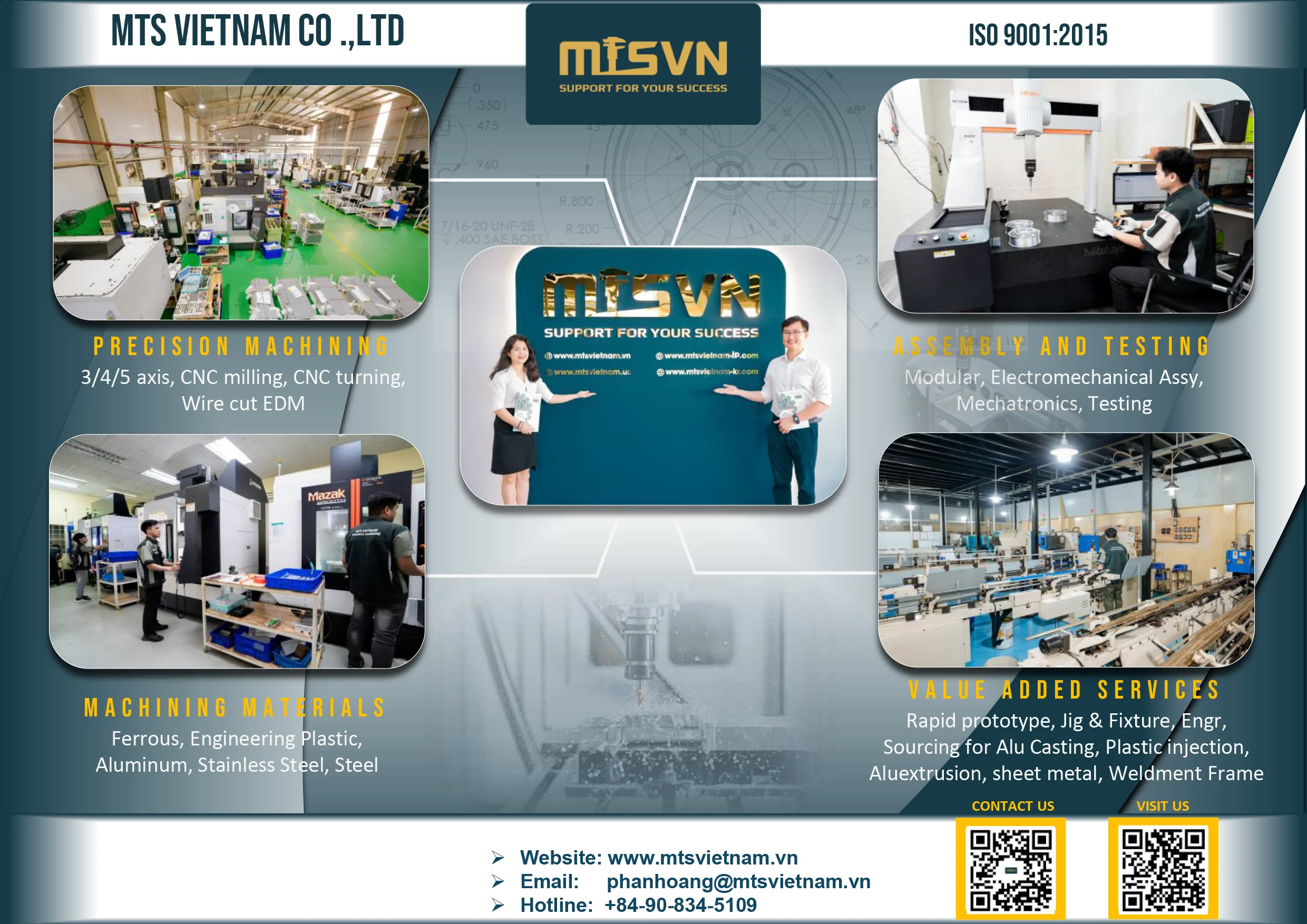
MTS Vietnam is a prominent company specializing in precision mechanical components fabrication. Established in 2017, it has quickly become a reputable name in the Vietnamese and Southeast Asian markets. The company's expertise lies in CNC milling and turning parts made from a variety of materials, including Aluminum, Steel, Stainless, POM, and other engineering plastics. MTS Vietnam is dedicated to supporting the success of its customers and strives to be a leading company in the field of precision mechanical processing both in Vietnam and internationally.
In addition to its fabrication services, MTS Vietnam offers assembly services for components and machines, as well as CNC program services. This comprehensive range of services is aimed at providing optimal solutions and benefits to its customers through the company's ecosystem and strengths. MTS Vietnam emphasizes the importance of investing in new technology and quality control equipment to ensure that it can deliver merchandise at competitive prices and within the required deadlines.
WORKSHOP: 248/10 ĐT743A Street, Binh Thung 1 Quarter, Dong Hoa Ward, Ho Chi Minh City, Vietnam
Tel/zalo/viber: 0908.345.109
Email: phanhoang@mtsvietnam.vn | info@mtsvietnam.vn
Website: www.mtsvietnam.vn (Global Market) | www.mtsvietnam-jp.com (日本)
For USA Sales, please contact MTS USA at:
Tel/zalo/viber: 978-777-1716
Email: sales@mts-usasales.com
Website: www.mtsvietnam.us (US Market)