Introduction
CNC (Computer Numerical Control) machining is a versatile manufacturing process that can work with a wide range of materials. Among these, metals are particularly significant due to their strength, durability, and wide array of applications. This article explores the use of metals in CNC machining, highlighting the types of metals commonly used, their benefits, and their applications across various industries.
Understanding CNC Machining
CNC machining involves the use of pre-programmed computer software to control the movement of factory tools and machinery. This precision technology allows for the production of complex and intricate parts with high accuracy. Metals are frequently chosen for CNC machining due to their mechanical properties and versatility.
Key Metals Used in CNC Machining
- Aluminum
- Steel
- Stainless Steel
- Titanium
- Brass
- Copper
Focus: Commonly Used Metals in CNC Machining
Aluminum
Properties
- Lightweight yet strong
- Excellent machinability
- High corrosion resistance
- Good thermal and electrical conductivity
Applications
- Aerospace: Aircraft components, structural parts
- Automotive: Engine parts, wheels
- Electronics: Housings, heat sinks
- Consumer Goods: Sports equipment, household items
Benefits
- Ease of machining leads to faster production times
- Versatility in applications due to its favorable strength-to-weight ratio
- Resistance to corrosion enhances durability and longevity
Steel
Properties
- High strength and durability
- Versatile in hardness and flexibility
- Cost-effective
Applications
- Construction: Structural beams, frameworks
- Automotive: Chassis, gears, shafts
- Heavy Machinery: Parts and components requiring high strength
Benefits
- Widely available and cost-effective
- High strength suitable for load-bearing applications
- Variety of grades allows for specific use-case customization
Stainless Steel
Properties
- High corrosion resistance
- Strength and durability
- Attractive finish
Applications
- Medical Devices: Surgical instruments, implants
- Food Processing: Equipment, containers
- Marine: Boat fittings, underwater applications
Benefits
- Corrosion resistance ideal for harsh environments
- Biocompatibility for medical applications
- Aesthetic appeal for consumer products
Titanium
Properties
- Exceptional strength-to-weight ratio
- High corrosion resistance
- Biocompatibility
Applications
- Aerospace: Jet engines, airframes
- Medical: Implants, prosthetics
- Automotive: Performance parts, exhaust systems
Benefits
- Ideal for high-performance applications due to its strength and lightness
- Excellent corrosion resistance extends the lifespan of parts
- Biocompatibility makes it suitable for medical uses
Brass
Properties
- Excellent machinability
- Good corrosion resistance
- Attractive appearance
Applications
- Plumbing: Fittings, valves
- Electrical: Connectors, terminals
- Decorative Items: Musical instruments, hardware
Benefits
- Easy to machine, reducing production time and costs
- Good electrical conductivity for electronic components
- Corrosion resistance for plumbing and outdoor applications
Copper
Properties
- Excellent thermal and electrical conductivity
- Corrosion resistance
- Ductility
Applications
- Electrical: Wires, connectors
- HVAC: Heat exchangers, radiators
- Plumbing: Tubing, fittings
Benefits
- Superior conductivity for electrical and thermal applications
- Corrosion resistance for long-lasting components
- Ductility allows for complex shapes and designs
Advantages of Using Metals in CNC Machining
- Strength and Durability: Metals provide the mechanical properties needed for high-stress applications, ensuring the longevity and reliability of the parts.
- Precision and Accuracy: CNC machining of metals allows for the production of parts with tight tolerances and intricate details.
- Versatility: The wide range of metals available allows manufacturers to choose the best material for each specific application, enhancing performance and functionality.
- Cost-Effectiveness: Metals such as steel and aluminum are cost-effective options for high-volume production runs, providing a balance between performance and affordability.
Challenges and Solutions
- Tool Wear: Machining metals can lead to significant tool wear. Using high-quality cutting tools and proper machining parameters can mitigate this issue.
- Heat Generation: The machining of metals generates heat, which can affect precision and tool life. Implementing effective cooling systems and using appropriate cutting fluids can manage heat generation.
- Material Selection: Choosing the right metal for a specific application requires understanding its properties and how they align with the desired outcome. Collaboration with material specialists and thorough testing can aid in optimal material selection.
Conclusion
Metals play a crucial role in CNC machining, offering a combination of strength, durability, and versatility that is essential for a wide range of applications. From aerospace and automotive to medical devices and electronics, CNC-machined metal parts meet the high standards of precision mechanics. As technology advances, the capabilities of CNC machining with metals will continue to expand, driving innovation and efficiency in manufacturing. By leveraging the unique properties of different metals, manufacturers can produce high-quality, reliable components that meet the demands of today's industries.
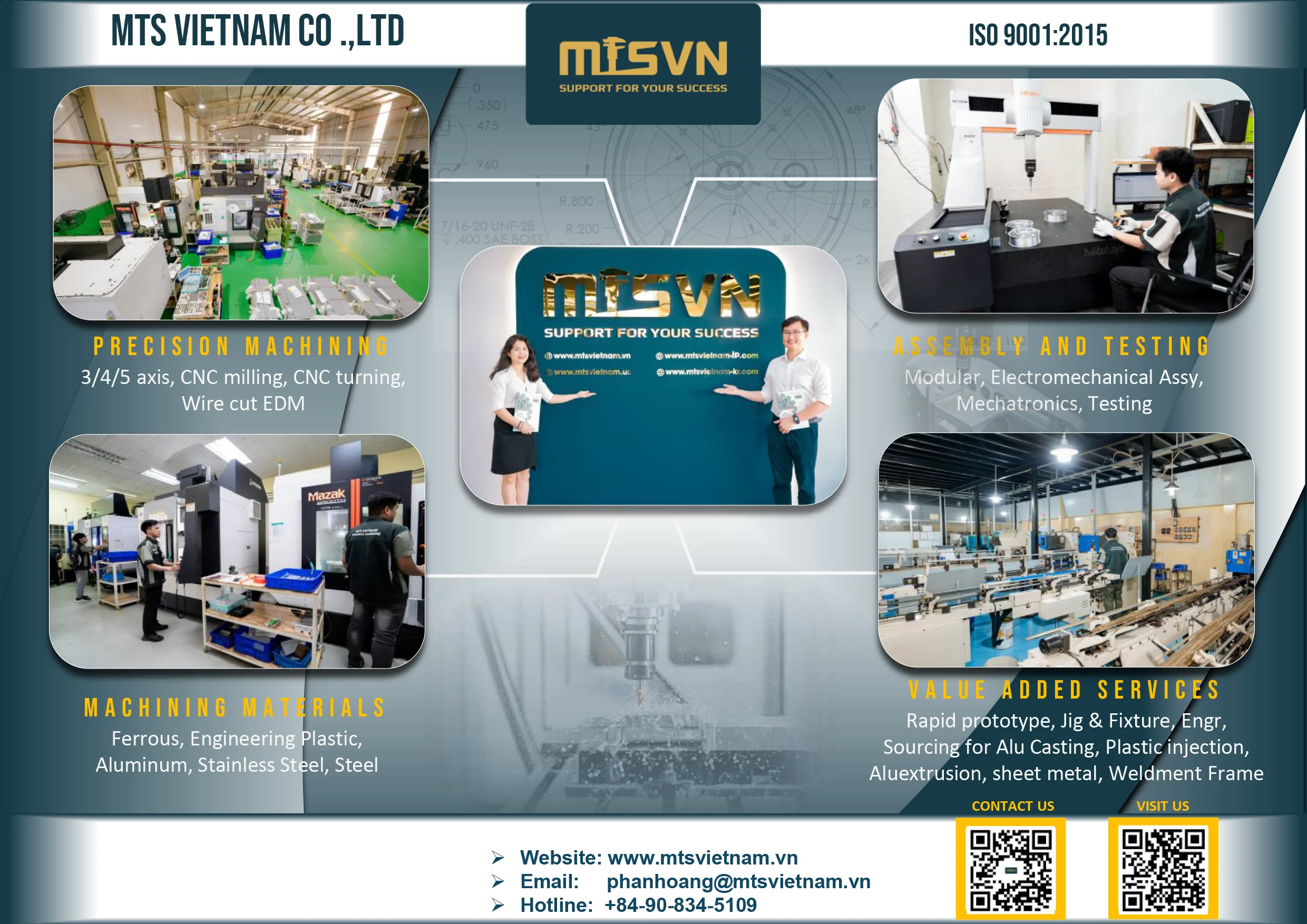
MTS Vietnam is a prominent company specializing in precision mechanical components fabrication. Established in 2017, it has quickly become a reputable name in the Vietnamese and Southeast Asian markets. The company's expertise lies in CNC milling and turning parts made from a variety of materials, including Aluminum, Steel, Stainless, POM, and other engineering plastics. MTS Vietnam is dedicated to supporting the success of its customers and strives to be a leading company in the field of precision mechanical processing both in Vietnam and internationally.
In addition to its fabrication services, MTS Vietnam offers assembly services for components and machines, as well as CNC program services. This comprehensive range of services is aimed at providing optimal solutions and benefits to its customers through the company's ecosystem and strengths. MTS Vietnam emphasizes the importance of investing in new technology and quality control equipment to ensure that it can deliver merchandise at competitive prices and within the required deadlines.
WORKSHOP: 248/10 ĐT743A Street, Binh Thung 1 Quarter, Dong Hoa Ward, Ho Chi Minh City, Vietnam
Tel/zalo/viber: 0908.345.109
Email: phanhoang@mtsvietnam.vn | info@mtsvietnam.vn
Website: www.mtsvietnam.vn (Global Market) | www.mtsvietnam-jp.com (日本)
For USA Sales, please contact MTS USA at:
Tel/zalo/viber: 978-777-1716
Email: sales@mts-usasales.com
Website: www.mtsvietnam.us (US Market)