The integration of sustainability considerations into the future of assembly machines in precision mechanics is not just an environmental imperative but a strategic business decision as well. As global awareness and regulatory pressures regarding environmental issues increase, industries are seeking ways to minimize their ecological footprint while maintaining or even enhancing productivity and profitability. This shift is driving innovation in assembly machines, with a focus on energy efficiency, waste reduction, and the use of environmentally friendly materials.
Energy Efficiency
One of the primary sustainability considerations is the energy consumption of assembly machines. Manufacturers are increasingly adopting energy-efficient technologies to reduce power usage without compromising on precision or productivity. This includes the integration of servo motors, which consume energy only when needed and can significantly reduce the overall energy footprint of assembly processes. Moreover, smart energy management systems, powered by IoT technologies, can optimize energy use across entire manufacturing facilities, dynamically adjusting to production needs.
Waste Reduction
Waste reduction is another critical aspect of sustainable assembly processes. This encompasses not only the minimization of scrap materials but also the efficient use of resources and the reduction of emissions. Advanced assembly machines are being designed to maximize material utilization and incorporate closed-loop systems that recycle waste products back into the manufacturing process. Additionally, the adoption of additive manufacturing techniques in assembly processes can further minimize waste by producing parts that precisely match design specifications, reducing the need for excess material.
Use of Environmentally Friendly Materials
The materials used in manufacturing processes and in the assembly machines themselves are coming under scrutiny for their environmental impact. There is a growing trend towards the use of recycled materials and those that are easier to recycle at the end of their lifecycle. Additionally, the development of biodegradable materials for use in certain parts of assembly machines or in the packaging of manufactured goods is an area of active research and innovation.
Lifecycle Assessment and Design for Environment
Lifecycle assessment (LCA) and Design for Environment (DfE) principles are increasingly being integrated into the design and development of assembly machines. LCA evaluates the environmental impacts associated with all the stages of a product's life, from raw material extraction through materials processing, manufacture, distribution, use, repair and maintenance, to disposal or recycling. DfE focuses on minimizing a product's environmental impact by carefully selecting materials and processes at the design stage. Together, these approaches ensure that sustainability considerations are embedded from the earliest stages of assembly machine development.
Challenges and Opportunities
While integrating sustainability into precision mechanics presents challenges, such as the need for initial investment and the potential for trade-offs between environmental goals and manufacturing efficiency, it also offers significant opportunities. Sustainable manufacturing practices can lead to cost savings over time, enhance brand reputation, and open up new markets driven by consumer demand for environmentally responsible products. Moreover, they can drive innovation, leading to the development of new materials, technologies, and processes that not only benefit the environment but also offer competitive advantages.
Conclusion
The future of assembly machines in precision mechanics is inextricably linked with sustainability. As manufacturers continue to navigate the challenges and opportunities presented by environmental considerations, the adoption of sustainable practices and technologies will become increasingly critical. By prioritizing energy efficiency, waste reduction, and the use of environmentally friendly materials, the industry can ensure that it contributes positively to the planet while also securing its own future in an increasingly eco-conscious marketplace.
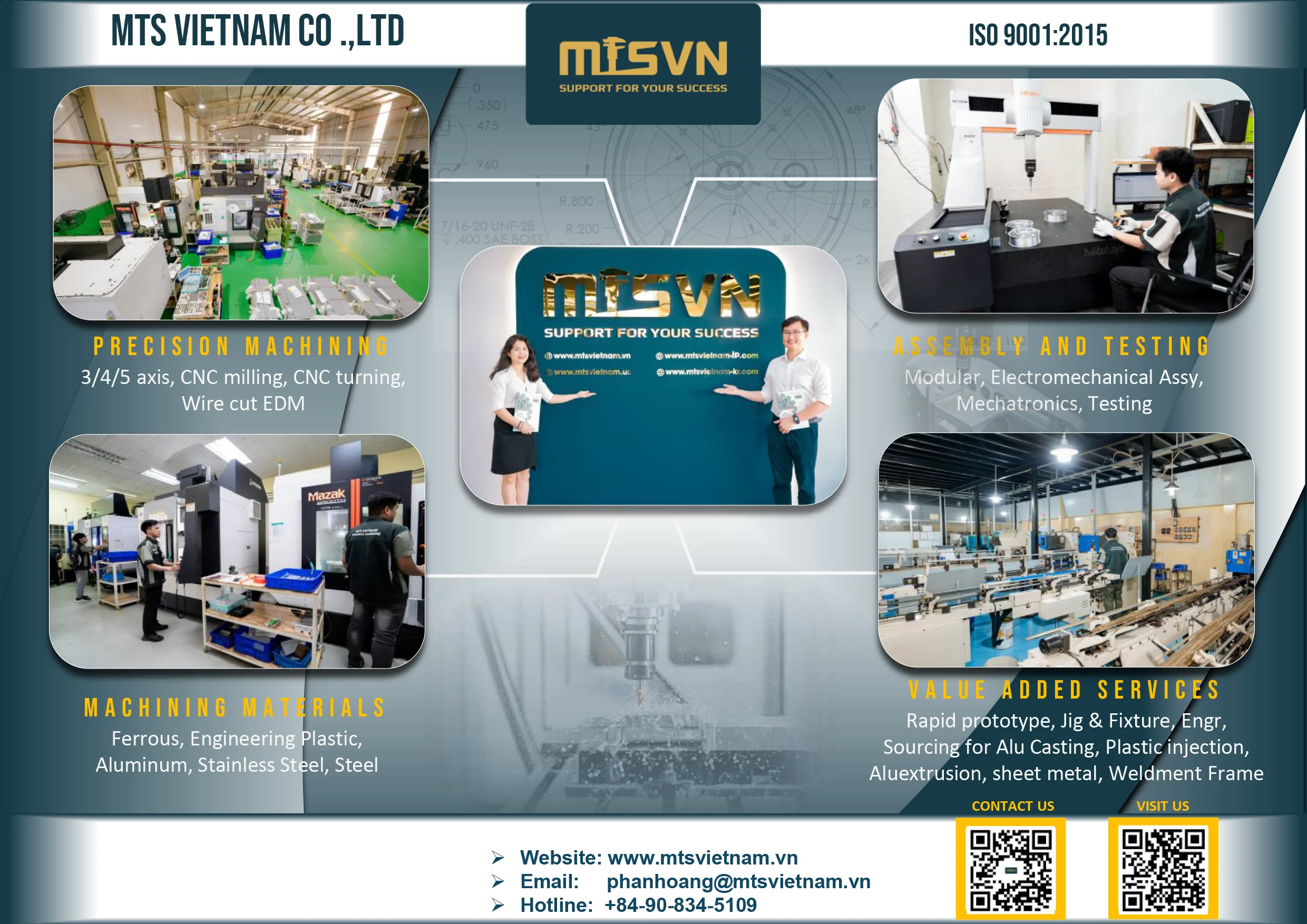
MTS Vietnam is a prominent company specializing in precision mechanical components fabrication. Established in 2017, it has quickly become a reputable name in the Vietnamese and Southeast Asian markets. The company's expertise lies in CNC milling and turning parts made from a variety of materials, including Aluminum, Steel, Stainless, POM, and other engineering plastics. MTS Vietnam is dedicated to supporting the success of its customers and strives to be a leading company in the field of precision mechanical processing both in Vietnam and internationally.
In addition to its fabrication services, MTS Vietnam offers assembly services for components and machines, as well as CNC program services. This comprehensive range of services is aimed at providing optimal solutions and benefits to its customers through the company's ecosystem and strengths. MTS Vietnam emphasizes the importance of investing in new technology and quality control equipment to ensure that it can deliver merchandise at competitive prices and within the required deadlines.
WORKSHOP: 248/10 ĐT743A Street, Binh Thung 1 Quarter, Dong Hoa Ward, Ho Chi Minh City, Vietnam
Tel/zalo/viber: 0908.345.109
Email: phanhoang@mtsvietnam.vn | info@mtsvietnam.vn
Website: www.mtsvietnam.vn (Global Market) | www.mtsvietnam-jp.com (日本)
For USA Sales, please contact MTS USA at:
Tel/zalo/viber: 978-777-1716
Email: sales@mts-usasales.com
Website: www.mtsvietnam.us (US Market)