Introduction
The Japanese Industrial Standards (JIS) play a crucial role in the mechanical industry, particularly in the domain of precision mechanics. Established by the Japanese Standards Association, these standards are designed to ensure reliability, safety, and efficiency across various engineering disciplines. This article explores the importance of JIS in the mechanical industry, focusing specifically on its impact and implementation in precision mechanics.
Understanding JIS
Japanese Industrial Standards (JIS) cover a broad range of technological areas, from electronics and metals to construction and civil engineering. In the mechanical industry, JIS standards are instrumental in defining the quality and safety criteria for machinery, components, and processes. These standards not only streamline manufacturing practices but also ensure compatibility and interoperability between components and systems.
The Role of JIS in Precision Mechanics
Precision mechanics involves the design and manufacture of components that require extremely accurate and precise specifications. In such a field, the slightest deviation can lead to significant discrepancies in functionality and performance. JIS standards provide a framework for ensuring that components meet stringent accuracy requirements, which is essential for industries such as aerospace, automotive, and electronics.
Key Aspects of JIS in Precision Mechanics
- Dimensional Tolerances: JIS sets precise dimensional tolerances that are crucial for the seamless integration of components in complex assemblies. These tolerances ensure that parts fit together perfectly, maintaining the integrity and functionality of mechanical systems.
- Material Quality: JIS standards specify the properties and quality criteria for materials used in mechanical engineering. Adherence to these standards guarantees that the materials used can withstand the demands of their operational environment, contributing to the durability and reliability of the final products.
- Testing and Quality Assurance: JIS includes rigorous testing and quality assurance protocols to ensure that every component and assembly performs to the expected standards. These tests are designed to mimic real-world conditions to ascertain that products are capable of performing as intended under all circumstances.
- Safety Standards: Safety is paramount in precision mechanics, where failures can have severe consequences. JIS standards include safety guidelines that help minimize the risk of accidents, ensuring safer operations and protection for both users and operators.
- Innovation and Adaptability: While JIS provides strict guidelines, it also fosters innovation by encouraging manufacturers to develop products that not only meet but exceed these standards. As technology evolves, JIS standards are periodically reviewed and updated, reflecting new knowledge, practices, and safety considerations.
Benefits of JIS in the Mechanical Industry
- Enhanced Product Reliability: Compliance with JIS standards ensures high reliability, reducing the frequency and severity of equipment failures.
- Improved International Compatibility: JIS standards are often harmonized with international standards, making Japanese products compatible with global markets, facilitating exports and international collaborations.
- Increased Customer Trust: Products manufactured under JIS certification are trusted for their quality and safety, enhancing customer satisfaction and loyalty.
- Regulatory Compliance: Adhering to JIS helps companies comply with both domestic and international regulations, avoiding legal and financial penalties associated with non-compliance.
Challenges and Implementation Strategies
Implementing JIS standards can be challenging, especially for small to medium-sized enterprises due to the resources required for compliance. Strategies to overcome these challenges include:
- Training and Development: Providing comprehensive training for employees to understand and implement JIS standards effectively.
- Investment in Technology: Investing in state-of-the-art machinery and equipment that meet JIS specifications.
- Partnerships and Collaborations: Collaborating with other firms or consultancies that have expertise in JIS compliance can provide necessary support and share best practices.
Conclusion
JIS standards are integral to maintaining and enhancing the quality and safety of products in the mechanical industry, particularly in precision mechanics. By adhering to these standards, manufacturers not only ensure the reliability and performance of their products but also strengthen their market position both domestically and internationally. As the mechanical industry continues to evolve, the role of JIS in driving innovation and ensuring quality will remain invaluable.
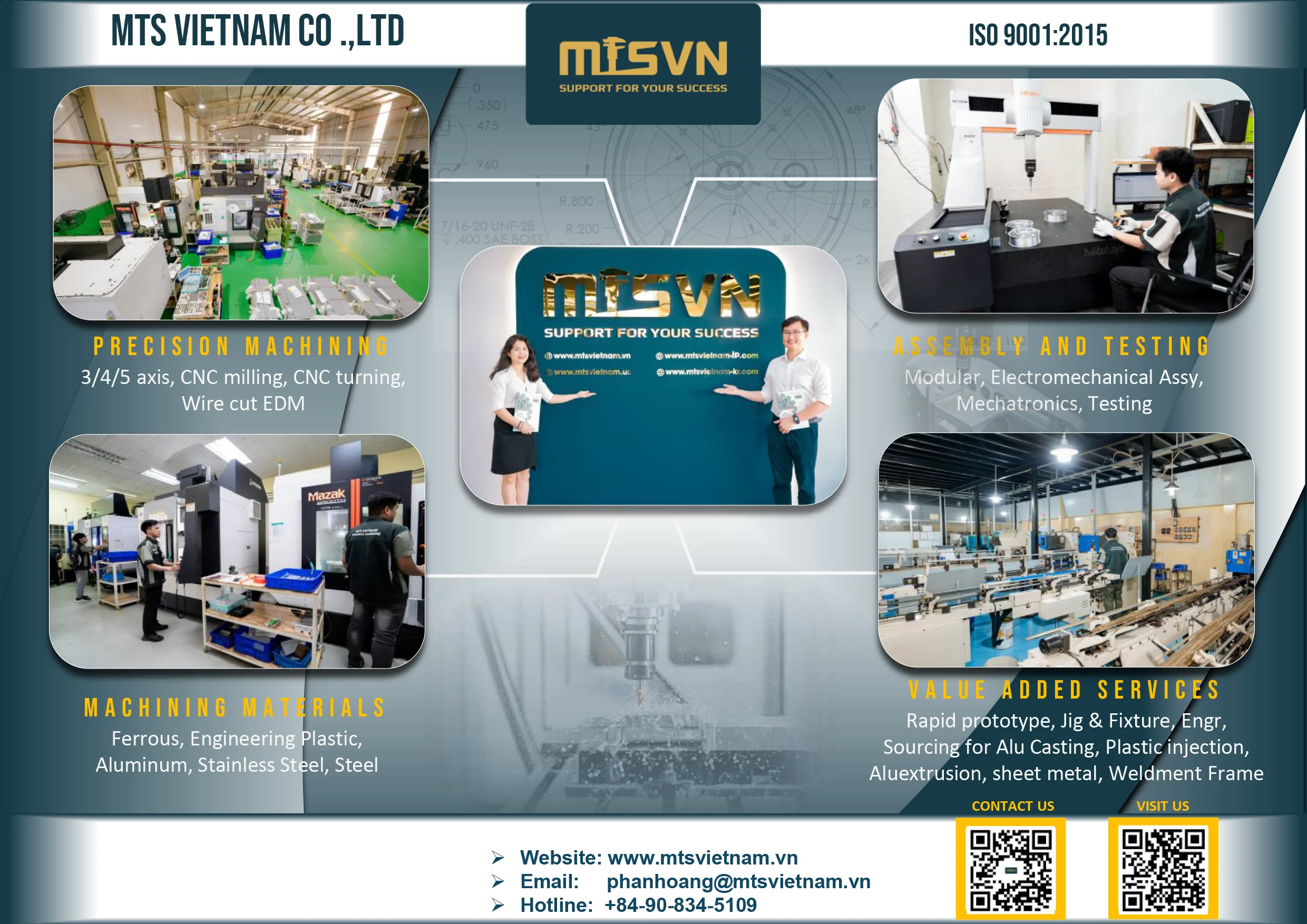
MTS Vietnam is a prominent company specializing in precision mechanical components fabrication. Established in 2017, it has quickly become a reputable name in the Vietnamese and Southeast Asian markets. The company's expertise lies in CNC milling and turning parts made from a variety of materials, including Aluminum, Steel, Stainless, POM, and other engineering plastics. MTS Vietnam is dedicated to supporting the success of its customers and strives to be a leading company in the field of precision mechanical processing both in Vietnam and internationally.
In addition to its fabrication services, MTS Vietnam offers assembly services for components and machines, as well as CNC program services. This comprehensive range of services is aimed at providing optimal solutions and benefits to its customers through the company's ecosystem and strengths. MTS Vietnam emphasizes the importance of investing in new technology and quality control equipment to ensure that it can deliver merchandise at competitive prices and within the required deadlines.
WORKSHOP: 248/10 ĐT743A Street, Binh Thung 1 Quarter, Dong Hoa Ward, Ho Chi Minh City, Vietnam
Tel/zalo/viber: 0908.345.109
Email: phanhoang@mtsvietnam.vn | info@mtsvietnam.vn
Website: www.mtsvietnam.vn (Global Market) | www.mtsvietnam-jp.com (日本)
For USA Sales, please contact MTS USA at:
Tel/zalo/viber: 978-777-1716
Email: sales@mts-usasales.com
Website: www.mtsvietnam.us (US Market)