Introduction
Quality control is paramount in the field of precision mechanics, where the standards for accuracy and reliability are exceedingly high. In such an environment, even minor imperfections can lead to significant failures or safety issues. Program services, including advanced software tools and automated systems, play a critical role in enhancing the quality control processes within this sector. This article discusses how these technological services improve quality control in precision mechanics, outlining their impact on the manufacturing workflow and overall product integrity.
The Role of Program Services in Quality Control
Program services in precision mechanics encompass a variety of tools such as Computer-Aided Design (CAD), Computer-Aided Manufacturing (CAM), Computer-Aided Engineering (CAE), Enterprise Resource Planning (ERP), and Product Lifecycle Management (PLM) systems. These tools integrate the various stages of product development and manufacturing, ensuring that each phase is monitored and controlled to maintain high standards of quality.
Benefits of Enhanced Quality Control Through Program Services
- Consistency Across Production Batches: Advanced CAM and CAD systems ensure that every part produced meets exact specifications, which is crucial for maintaining consistency across production batches. This consistency is vital in industries such as aerospace, automotive, and medical devices, where the integrity of each component can impact the safety and efficacy of the final product.
- Reduction of Human Error: Automation of design and manufacturing processes reduces the likelihood of human error, which can lead to defects. Program services automate repetitive tasks and complex calculations, minimizing the risk of mistakes and enhancing the overall quality of the product.
- Real-Time Monitoring and Feedback: Many program services include real-time monitoring capabilities that provide immediate feedback on the manufacturing process. This allows for quick detection and correction of any deviations from the set quality standards, preventing the escalation of potential issues.
- Comprehensive Data Analysis: ERP and PLM systems gather and analyze data from across the entire production lifecycle. This analysis helps identify trends and potential areas of improvement, facilitating proactive measures to enhance product quality.
- Traceability and Documentation: Program services improve the traceability of materials and processes, providing detailed documentation that is crucial for quality control. This documentation is essential for meeting regulatory requirements and for conducting thorough investigations in the event of a product failure.
How Program Services Achieve These Benefits
- Integration: Integrating all stages of production from design to assembly and testing ensures that information flows seamlessly between different departments. This integration helps maintain high standards of quality throughout the product lifecycle.
- Automation: Automated tools perform precise operations that would be difficult and time-consuming to achieve manually. Automation also ensures that these operations are repeated accurately each time, reducing variability in the manufacturing process.
- Advanced Simulation: CAE tools simulate real-world conditions and stresses on components, allowing engineers to predict how they will perform and make necessary adjustments before actual production begins.
- Predictive Maintenance: Program services can predict when equipment is likely to fail and schedule maintenance accordingly. This prevents unexpected downtimes and ensures that the manufacturing process continues to operate under optimal conditions.
Challenges and Future Outlook
Implementing program services for improved quality control does present challenges, including the high cost of adoption and the need for specialized training for staff. However, as technology advances, these tools are becoming more intuitive and integrated, making them accessible to a wider range of businesses.
Conclusion
Program services significantly enhance quality control in the field of precision mechanics, ensuring that products are manufactured to the highest standards of quality and consistency. By reducing errors, providing real-time feedback, and improving documentation and traceability, these tools help companies maintain their competitive edge in industries where excellence is the minimum standard. As technology continues to evolve, the capabilities of these program services in improving quality control will only increase, further revolutionizing the landscape of precision manufacturing.
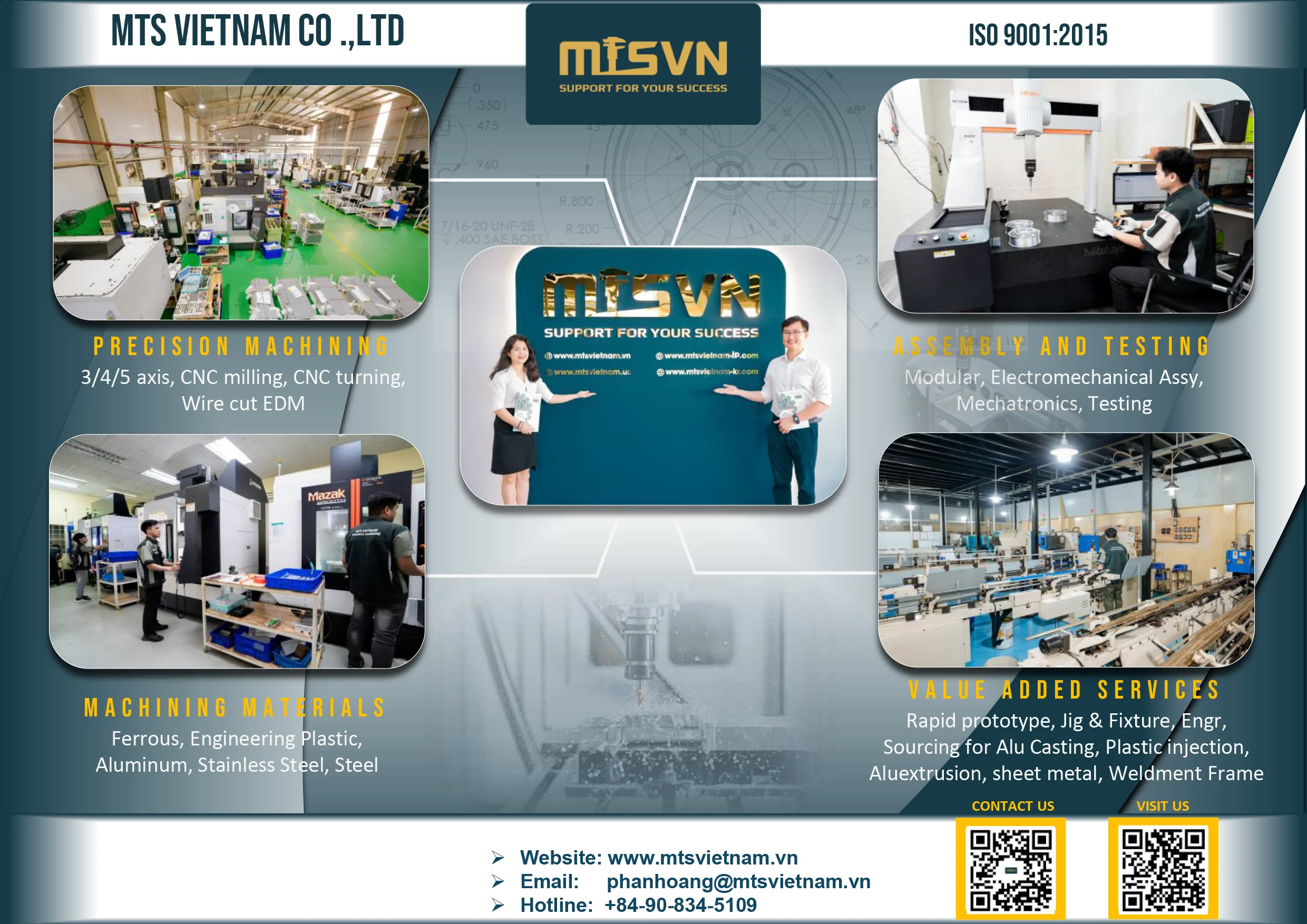
MTS Vietnam is a prominent company specializing in precision mechanical components fabrication. Established in 2017, it has quickly become a reputable name in the Vietnamese and Southeast Asian markets. The company's expertise lies in CNC milling and turning parts made from a variety of materials, including Aluminum, Steel, Stainless, POM, and other engineering plastics. MTS Vietnam is dedicated to supporting the success of its customers and strives to be a leading company in the field of precision mechanical processing both in Vietnam and internationally.
In addition to its fabrication services, MTS Vietnam offers assembly services for components and machines, as well as CNC program services. This comprehensive range of services is aimed at providing optimal solutions and benefits to its customers through the company's ecosystem and strengths. MTS Vietnam emphasizes the importance of investing in new technology and quality control equipment to ensure that it can deliver merchandise at competitive prices and within the required deadlines.
WORKSHOP: 248/10 ĐT743A Street, Binh Thung 1 Quarter, Dong Hoa Ward, Ho Chi Minh City, Vietnam
Tel/zalo/viber: 0908.345.109
Email: phanhoang@mtsvietnam.vn | info@mtsvietnam.vn
Website: www.mtsvietnam.vn (Global Market) | www.mtsvietnam-jp.com (日本)
For USA Sales, please contact MTS USA at:
Tel/zalo/viber: 978-777-1716
Email: sales@mts-usasales.com
Website: www.mtsvietnam.us (US Market)