Introduction
In the precision mechanics industry, where components must function within complex assemblies, the importance of dimensional tolerances cannot be overstated. Dimensional tolerances—specified limits on the acceptable deviations from specified dimensions—are crucial for ensuring the interchangeability and proper function of parts. The Japanese Industrial Standards (JIS) provide detailed guidelines on dimensional tolerances, playing a vital role in standardizing practices across the precision mechanics sector. This article explores the significance of dimensional tolerances as outlined by JIS and their impact on the precision mechanics industry.
Understanding Dimensional Tolerances in JIS
Dimensional tolerances defined by JIS are essential for ensuring that mechanical parts fit and work together as intended. These tolerances dictate the permissible limits of variation in physical dimensions; a part can deviate from specified dimensions while still being accepted for use. Adhering to these tolerances is critical not only for functionality but also for maintaining high-quality manufacturing standards.
Key Features of JIS Dimensional Tolerances
- Standardization Across Industries: JIS provides a standardized approach to dimensional tolerances applicable across various sectors within precision mechanics, such as automotive, aerospace, and electronics. This standardization ensures that components manufactured by different companies or in different locations are compatible.
- Enhanced Interchangeability: With standardized dimensional tolerances, parts are interchangeable, reducing the need for custom fittings and allowing for easier assembly and maintenance of mechanical systems.
- Improved Fit and Function: Proper tolerance levels ensure that mechanical parts fit together as designed without causing undue stress or potential failure of the system. This precise fit is crucial for the functionality and longevity of mechanical assemblies.
- Quality Control: Dimensional tolerances are a fundamental aspect of quality control in manufacturing. They help maintain consistency in production batches, ensuring that every part meets quality standards and performs as expected.
- Cost Efficiency: Adhering to predefined dimensional tolerances helps reduce material waste and the need for rework or adjustments during the assembly process. It streamlines manufacturing operations and reduces costs associated with non-conformity.
Benefits of Implementing JIS Dimensional Tolerances in Precision Mechanics
- Increased Reliability: Components that adhere to strict dimensional tolerances are more reliable and less likely to fail, enhancing the overall reliability of the mechanical systems in which they are used.
- Enhanced Customer Satisfaction: Delivering products that consistently meet the dimensional specifications leads to higher customer satisfaction and trust in the product's quality.
- Regulatory Compliance: Following JIS standards for dimensional tolerances helps companies comply with both national and international manufacturing regulations and standards, facilitating easier entry into global markets.
- Reduced Production Time: Standardized tolerances streamline the production process by minimizing the amount of inspection and testing required during manufacturing and assembly.
- Competitive Advantage: Companies that rigorously apply JIS dimensional tolerances can differentiate themselves as providers of high-quality and precise components, gaining a competitive advantage in the industry.
Challenges and Strategies for Implementation
Implementing JIS dimensional tolerances can present challenges, particularly in adapting existing manufacturing processes to meet stringent standards. Key strategies to address these challenges include:
- Investment in Precision Equipment: Acquiring advanced manufacturing and measurement equipment capable of achieving and verifying tight tolerances.
- Training and Development: Regular training for engineers and technicians to understand and implement JIS standards effectively in their daily operations.
- Continuous Monitoring and Improvement: Establishing processes for continuous monitoring of production and employing statistical process control to ensure compliance with dimensional tolerances.
Conclusion
Dimensional tolerances are a cornerstone of manufacturing in precision mechanics, ensuring that components not only fit together perfectly but also function reliably in their intended applications. The JIS standards for dimensional tolerances provide a framework that enhances product quality, consistency, and reliability, underpinning the success of companies within the precision mechanics sector. Adhering to these standards is essential for maintaining competitiveness in a market where precision and reliability are paramount.
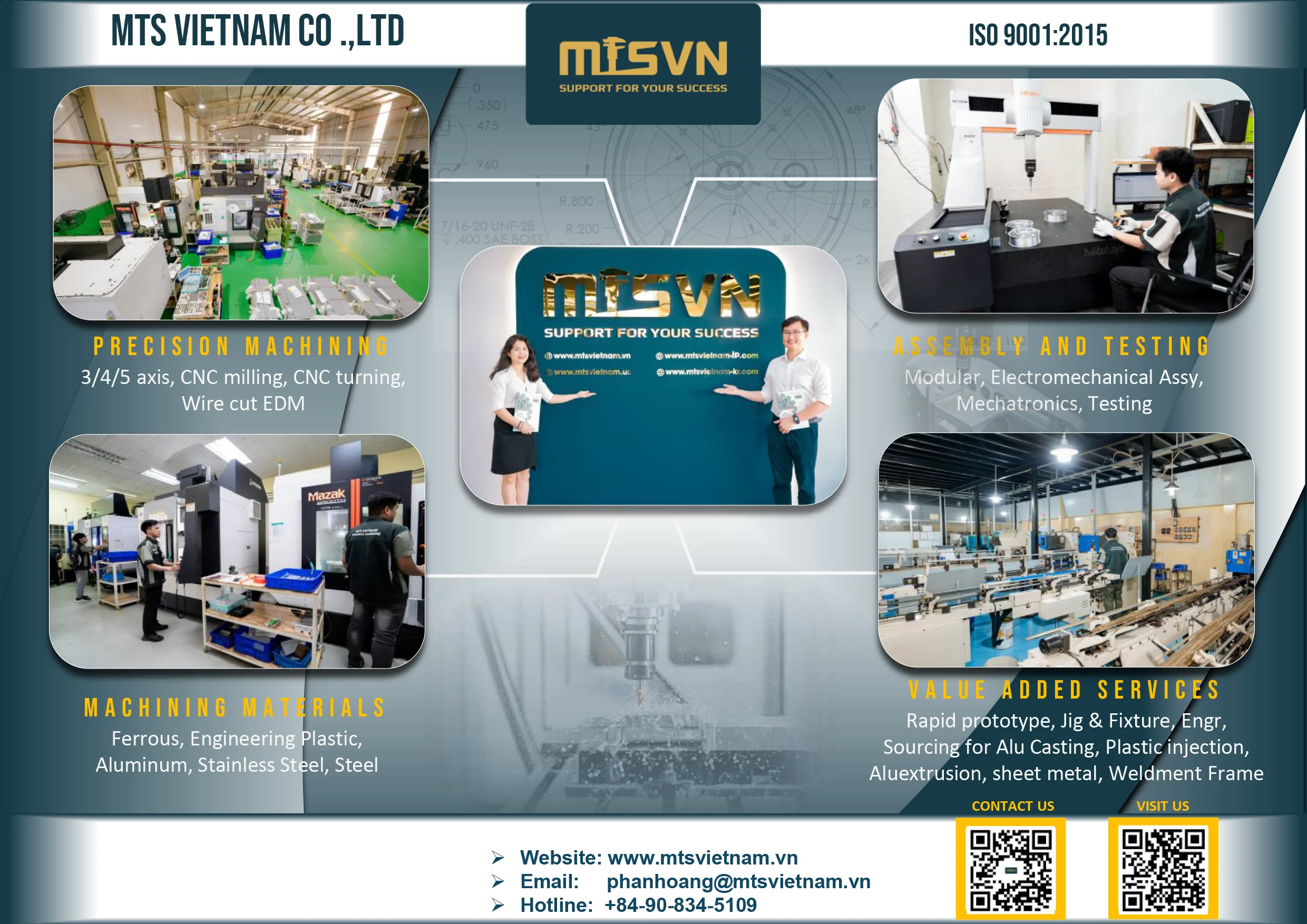
MTS Vietnam is a prominent company specializing in precision mechanical components fabrication. Established in 2017, it has quickly become a reputable name in the Vietnamese and Southeast Asian markets. The company's expertise lies in CNC milling and turning parts made from a variety of materials, including Aluminum, Steel, Stainless, POM, and other engineering plastics. MTS Vietnam is dedicated to supporting the success of its customers and strives to be a leading company in the field of precision mechanical processing both in Vietnam and internationally.
In addition to its fabrication services, MTS Vietnam offers assembly services for components and machines, as well as CNC program services. This comprehensive range of services is aimed at providing optimal solutions and benefits to its customers through the company's ecosystem and strengths. MTS Vietnam emphasizes the importance of investing in new technology and quality control equipment to ensure that it can deliver merchandise at competitive prices and within the required deadlines.
WORKSHOP: 248/10 ĐT743A Street, Binh Thung 1 Quarter, Dong Hoa Ward, Ho Chi Minh City, Vietnam
Tel/zalo/viber: 0908.345.109
Email: phanhoang@mtsvietnam.vn | info@mtsvietnam.vn
Website: www.mtsvietnam.vn (Global Market) | www.mtsvietnam-jp.com (日本)
For USA Sales, please contact MTS USA at:
Tel/zalo/viber: 978-777-1716
Email: sales@mts-usasales.com
Website: www.mtsvietnam.us (US Market)