Introduction
In the precision mechanics industry, where the production of highly accurate and reliable components is paramount, managing costs effectively without compromising quality is a significant challenge. Program services, which encompass a suite of advanced software and automation tools, have become essential in addressing this challenge. These services not only streamline various manufacturing processes but also substantially enhance cost efficiency. This article explores the role of program services in driving cost efficiency in precision mechanics, detailing the mechanisms through which they reduce costs and the benefits they bring to businesses.
The Role of Program Services in Enhancing Cost Efficiency
Program services in precision mechanics include tools such as Computer-Aided Design (CAD), Computer-Aided Manufacturing (CAM), Enterprise Resource Planning (ERP), and Product Lifecycle Management (PLM) systems. These technologies integrate and automate key aspects of the manufacturing process, from initial design to final production and quality assurance, minimizing waste and optimizing resource use.
Benefits of Improved Cost Efficiency Through Program Services
- Reduction in Material Waste: CAD and CAM systems allow for precise calculation and optimization of material usage during the design and manufacturing phases. By accurately determining the amount of material needed and reducing scrap, these tools significantly lower material costs.
- Minimized Labor Costs: Automation of repetitive and labor-intensive tasks through program services reduces the reliance on manual labor. This not only speeds up production but also lowers labor costs associated with manufacturing, assembly, and quality control.
- Decreased Production Time: Program services streamline production workflows, reducing the time it takes to bring products from the design stage to the market. Faster production cycles mean lower overhead costs and quicker turnover, enhancing overall profitability.
- Enhanced Machine Utilization: By optimizing production schedules and maintenance routines, ERP systems ensure that machinery is used efficiently. This improved utilization reduces idle time and prolongs the life of equipment, thereby minimizing capital expenditure over time.
- Reduced Rework and Quality-Related Costs: Integrated quality management features in program services help detect and correct potential defects early in the production process. This proactive approach prevents costly reworks and recalls, significantly reducing quality-related expenses.
How Program Services Achieve These Benefits
- Advanced Simulation and Planning: Before actual production begins, CAD and CAE (Computer-Aided Engineering) tools can simulate product performance under various conditions, allowing for adjustments in design that preempt costly errors.
- Integrated Data Flow: ERP and PLM systems ensure that information flows seamlessly across all departments. This integration prevents delays and errors that can arise from miscommunication, thereby saving time and reducing administrative costs.
- Automated Process Control: CAM systems automate the machining and assembly processes, ensuring that each component is manufactured with precision. This automation reduces the likelihood of errors and defects, which in turn decreases the cost associated with scrap and rework.
Challenges and Considerations
While program services offer substantial cost savings, implementing these technologies involves upfront investment in software, hardware, and training. Additionally, the transition to fully integrated systems can disrupt existing workflows, requiring careful management. However, the long-term benefits typically outweigh these initial challenges.
Future Outlook
As technology advances, program services are expected to become more sophisticated and accessible. The integration of artificial intelligence and machine learning could further enhance the predictive capabilities of these systems, optimizing resource allocation and maintenance schedules to an even greater degree.
Conclusion
Cost efficiency is a crucial competitive advantage in precision mechanics, and program services play a pivotal role in achieving it. By minimizing waste, reducing labor costs, and enhancing production efficiency, these tools enable manufacturers to maintain high-quality standards while managing expenses effectively. As the industry continues to evolve, the strategic implementation of program services will be key to sustaining profitability and growth in the highly competitive field of precision mechanics.
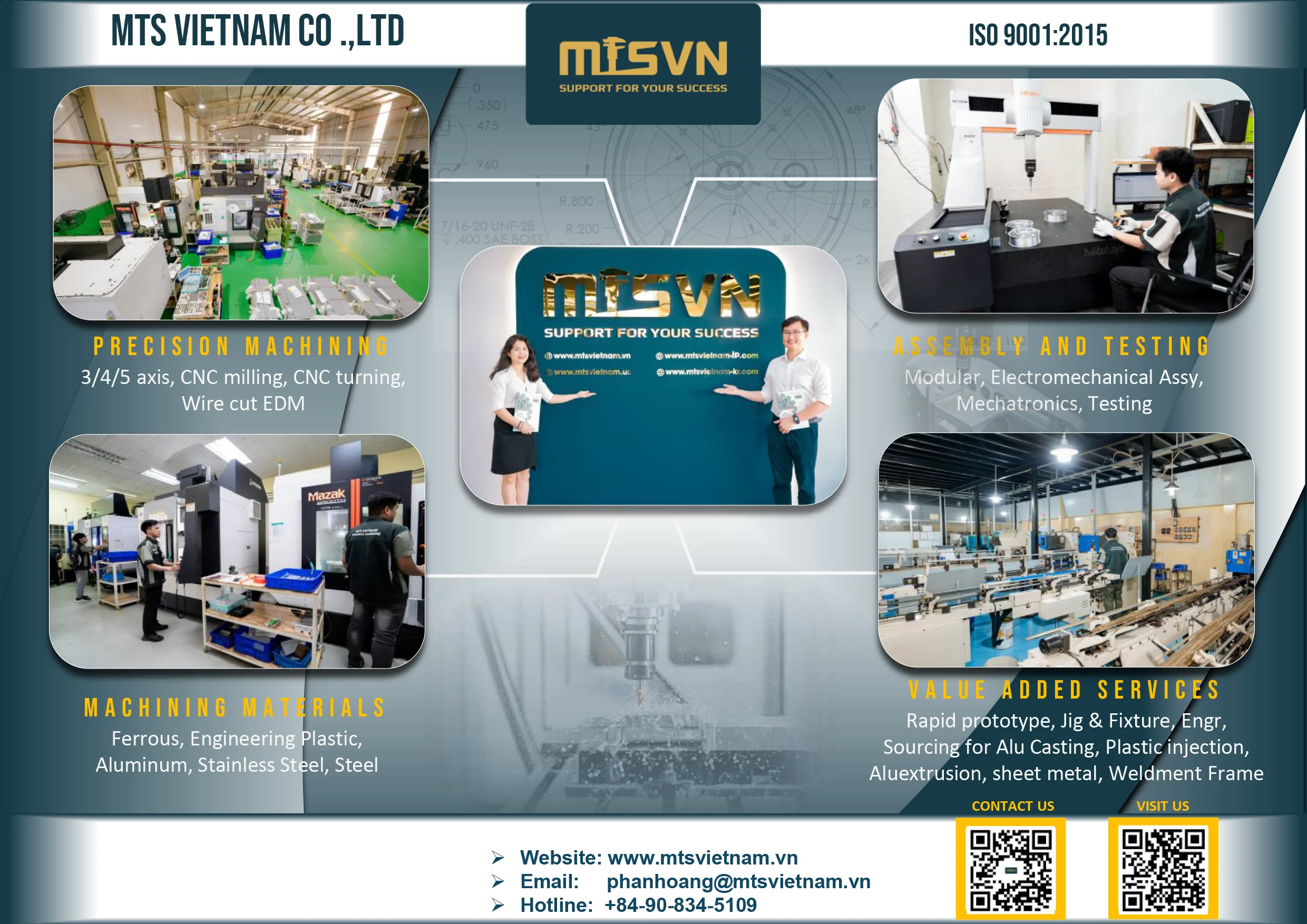
MTS Vietnam is a prominent company specializing in precision mechanical components fabrication. Established in 2017, it has quickly become a reputable name in the Vietnamese and Southeast Asian markets. The company's expertise lies in CNC milling and turning parts made from a variety of materials, including Aluminum, Steel, Stainless, POM, and other engineering plastics. MTS Vietnam is dedicated to supporting the success of its customers and strives to be a leading company in the field of precision mechanical processing both in Vietnam and internationally.
In addition to its fabrication services, MTS Vietnam offers assembly services for components and machines, as well as CNC program services. This comprehensive range of services is aimed at providing optimal solutions and benefits to its customers through the company's ecosystem and strengths. MTS Vietnam emphasizes the importance of investing in new technology and quality control equipment to ensure that it can deliver merchandise at competitive prices and within the required deadlines.
WORKSHOP: 248/10 ĐT743A Street, Binh Thung 1 Quarter, Dong Hoa Ward, Ho Chi Minh City, Vietnam
Tel/zalo/viber: 0908.345.109
Email: phanhoang@mtsvietnam.vn | info@mtsvietnam.vn
Website: www.mtsvietnam.vn (Global Market) | www.mtsvietnam-jp.com (日本)
For USA Sales, please contact MTS USA at:
Tel/zalo/viber: 978-777-1716
Email: sales@mts-usasales.com
Website: www.mtsvietnam.us (US Market)