Introduction
In the field of modern manufacturing, the ability to create complex geometries with high precision is a crucial advantage. CNC (Computer Numerical Control) machining stands out in this regard, allowing for the production of intricate and detailed parts that would be difficult or impossible to achieve with traditional manufacturing methods. This article explores how CNC machining enables the creation of complex geometries and the benefits this capability brings to various industries.
Understanding CNC Machining
CNC machining involves the use of pre-programmed computer software to control the movement of factory tools and machinery. This technology can manage a variety of tasks, including cutting, milling, drilling, and turning, with remarkable precision and repeatability. CNC machines can work with a wide range of materials, from metals and plastics to composites and ceramics.
Key Advantages of CNC Machining
- High Precision and Accuracy
- Consistency and Repeatability
- Complex Geometries
- Efficiency and Speed
Focus: Complex Geometries
Definition of Complex Geometries
Complex geometries refer to intricate shapes and detailed designs that involve multiple curves, angles, and dimensions. These geometries often require precise control over the machining process to achieve the desired form and functionality.
How CNC Machining Achieves Complex Geometries
- Advanced Software Capabilities: CNC machining utilizes sophisticated CAD (Computer-Aided Design) and CAM (Computer-Aided Manufacturing) software. These programs allow designers to create detailed 3D models of parts, which can then be translated into precise machining instructions.
- Multi-Axis Machining: CNC machines often have multiple axes of movement (typically three to five), allowing them to move the workpiece and cutting tool in complex patterns. This capability enables the machining of intricate shapes from multiple angles in a single setup.
- High-Precision Tools: CNC machines are equipped with high-precision cutting tools that can execute fine details and tight tolerances. These tools can be easily changed and adapted for different operations, enhancing the machine’s versatility.
- Continuous Process Control: The computer control aspect of CNC machining ensures continuous monitoring and adjustment during the manufacturing process. This control allows for real-time corrections and adjustments to achieve the exact desired geometry.
Applications Benefiting from Complex Geometries
- Aerospace: In the aerospace industry, components such as turbine blades, airframe structures, and intricate engine parts require complex geometries for optimal performance and efficiency. CNC machining can produce these parts with the necessary precision and detail.
- Medical Devices: Medical instruments and implants often feature intricate designs that must meet stringent regulatory standards. CNC machining allows for the creation of complex, biocompatible shapes necessary for surgical tools, prosthetics, and dental implants.
- Automotive: The automotive industry benefits from CNC machining’s ability to produce complex engine components, transmission parts, and custom-designed elements. These parts need precise geometries to ensure proper fit and function.
- Electronics: The miniaturization of electronic devices requires the machining of small, complex components such as connectors, casings, and heat sinks. CNC machining provides the precision needed to produce these intricate parts.
- Consumer Products: High-end consumer products, including custom jewelry, eyewear, and watches, often feature complex and unique designs. CNC machining allows for the creation of these detailed and aesthetically pleasing items.
Benefits of Achieving Complex Geometries
- Design Flexibility: CNC machining provides designers with the freedom to create innovative and complex shapes that enhance the functionality and aesthetic appeal of products.
- Improved Performance: Complex geometries can enhance the performance of mechanical components by optimizing their shape for strength, efficiency, and aerodynamics.
- Customization and Prototyping: CNC machining is ideal for producing customized parts and prototypes. The ability to quickly and accurately machine complex shapes makes it possible to test and refine designs before mass production.
- Material Efficiency: CNC machining can maximize material usage by precisely cutting and shaping parts, reducing waste and lowering production costs.
Challenges and Solutions
While CNC machining offers significant advantages in producing complex geometries, there are challenges to consider:
- Programming Complexity: Creating detailed CNC programs for complex geometries can be time-consuming and requires skilled operators. Investing in advanced software and training can mitigate this challenge.
- Tool Wear and Maintenance: Machining intricate shapes can increase tool wear. Regular maintenance and the use of high-quality cutting tools can help maintain precision and extend tool life.
- Cost Considerations: The initial setup and programming for complex parts can be costly. However, the efficiency and precision of CNC machining often lead to cost savings in the long run.
Conclusion
The ability to produce complex geometries is a key advantage of CNC machining, enabling the creation of intricate and precise parts that meet the demands of various industries. Advanced software capabilities, multi-axis movement, high-precision tools, and continuous process control all contribute to the machine's ability to achieve detailed and accurate shapes. As technology advances, CNC machining will continue to play a critical role in pushing the boundaries of design and manufacturing, allowing for greater innovation and improved product performance.
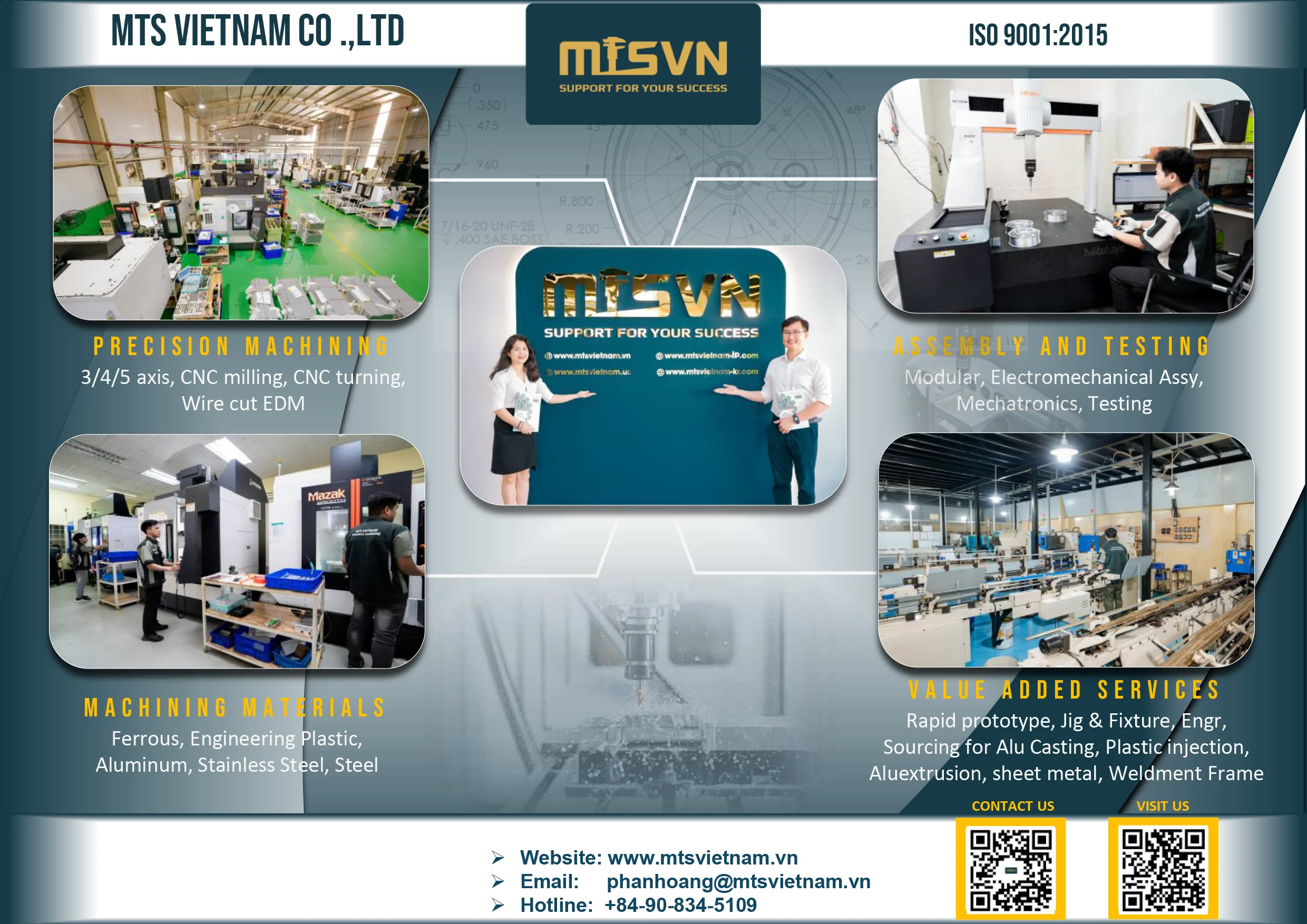
MTS Vietnam is a prominent company specializing in precision mechanical components fabrication. Established in 2017, it has quickly become a reputable name in the Vietnamese and Southeast Asian markets. The company's expertise lies in CNC milling and turning parts made from a variety of materials, including Aluminum, Steel, Stainless, POM, and other engineering plastics. MTS Vietnam is dedicated to supporting the success of its customers and strives to be a leading company in the field of precision mechanical processing both in Vietnam and internationally.
In addition to its fabrication services, MTS Vietnam offers assembly services for components and machines, as well as CNC program services. This comprehensive range of services is aimed at providing optimal solutions and benefits to its customers through the company's ecosystem and strengths. MTS Vietnam emphasizes the importance of investing in new technology and quality control equipment to ensure that it can deliver merchandise at competitive prices and within the required deadlines.
WORKSHOP: 248/10 ĐT743A Street, Binh Thung 1 Quarter, Dong Hoa Ward, Ho Chi Minh City, Vietnam
Tel/zalo/viber: 0908.345.109
Email: phanhoang@mtsvietnam.vn | info@mtsvietnam.vn
Website: www.mtsvietnam.vn (Global Market) | www.mtsvietnam-jp.com (日本)
For USA Sales, please contact MTS USA at:
Tel/zalo/viber: 978-777-1716
Email: sales@mts-usasales.com
Website: www.mtsvietnam.us (US Market)